

This Homemade Mulled Wine is warm, fragrant, and filled with cozy Christmas flavors! Made with dry red wine, fresh orange, cinnamon sticks, cloves, and star anise, this easy holiday drink is gently heated until all those delicious spices come together. It’s ready in about 20 minutes and can easily be made lower in carbs by using a sugar-free sweetener.
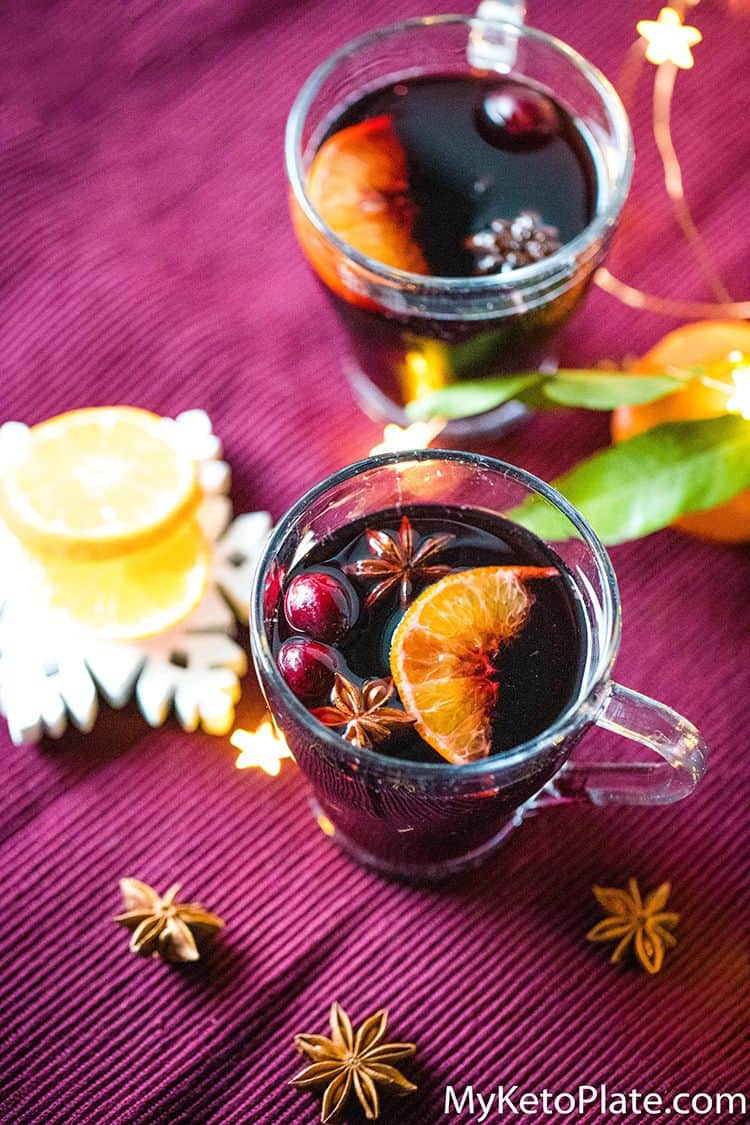
There’s something about the smell of mulled wine that instantly reminds me of Christmas. Every time I visit a Christmas market, I love how the air smells like cinnamon, oranges, and warm spices. It makes everything feel a little more festive!
The best part is that you don’t need to visit a Christmas market to enjoy it. Making mulled wine at home is incredibly easy, and you can adjust the spices and sweetness exactly how you like them.
I usually make a batch when we’re spending a cozy evening at home or having friends over during the holidays. Just let the wine warm gently with the spices, and your kitchen will smell amazing!
- 1 What Is Mulled Wine?
- 2 Is Mulled Wine Keto-Friendly?
- 3 Why You’ll Love This Homemade Mulled Wine
- 4 Ingredients for Homemade Mulled Wine
- 5 What Is the Best Wine for Mulled Wine?
- 6 How to Make Homemade Mulled Wine
- 7 Tips for the Best Mulled Wine
- 8 Homemade Mulled Wine Variations
- 9 Can You Make Mulled Wine Ahead of Time?
- 10 How to Store Leftover Mulled Wine
- 11 Frequently Asked Questions
- 12 More Holiday Drink Recipes to Try
- 13 Homemade Mulled Wine – Winter Low Carb Drink
What Is Mulled Wine?
Mulled wine is a traditional warm alcoholic drink made by gently heating wine with spices, citrus, and a sweetener.
It’s especially popular during the Christmas season in many European countries, where you’ll often find it served at holiday markets.
Depending on where you live, you might know it as Glühwein in Germany, vin chaud in France, or vino caliente in Spain.
Although there are plenty of variations, most mulled wine recipes include red wine, cinnamon, cloves, orange, and sometimes star anise or additional spirits.
The result is a wonderfully aromatic drink that’s perfect for sipping on a chilly winter evening.
Is Mulled Wine Keto-Friendly?
Traditional mulled wine often contains added sugar, which can increase its carbohydrate content.
The good news is that you can make a lower-carb version at home by choosing a dry red wine and replacing regular sugar with a sugar-free sweetener.
Dry wines generally contain less residual sugar than sweet wines, making them a better choice when you’re looking to keep the carbohydrate content lower.
For this homemade mulled wine recipe, I like using a dry red wine and a monk fruit or allulose sweetener.
Keep in mind that the exact carb count will depend on the wine, sweetener, and serving size you choose.
Why You’ll Love This Homemade Mulled Wine
- Perfect for Christmas gatherings. It’s a lovely drink to serve when you’re hosting friends or spending a cozy evening at home during the holidays.
- Ready in about 20 minutes. You don’t need any special equipment or complicated preparation. Everything comes together in one saucepan.
- Makes your kitchen smell incredible. The combination of cinnamon, cloves, orange, and star anise creates that wonderful Christmas market aroma.
- Easy to adjust to your taste. Prefer a sweeter drink or a stronger cinnamon flavor? You can easily adjust the ingredients.
- Great for making ahead. Prepare it in advance, strain out the spices, and gently reheat it when you’re ready to serve.
Ingredients for Homemade Mulled Wine
You only need a few simple ingredients to make this delicious Christmas mulled wine. Here’s everything you’ll need:
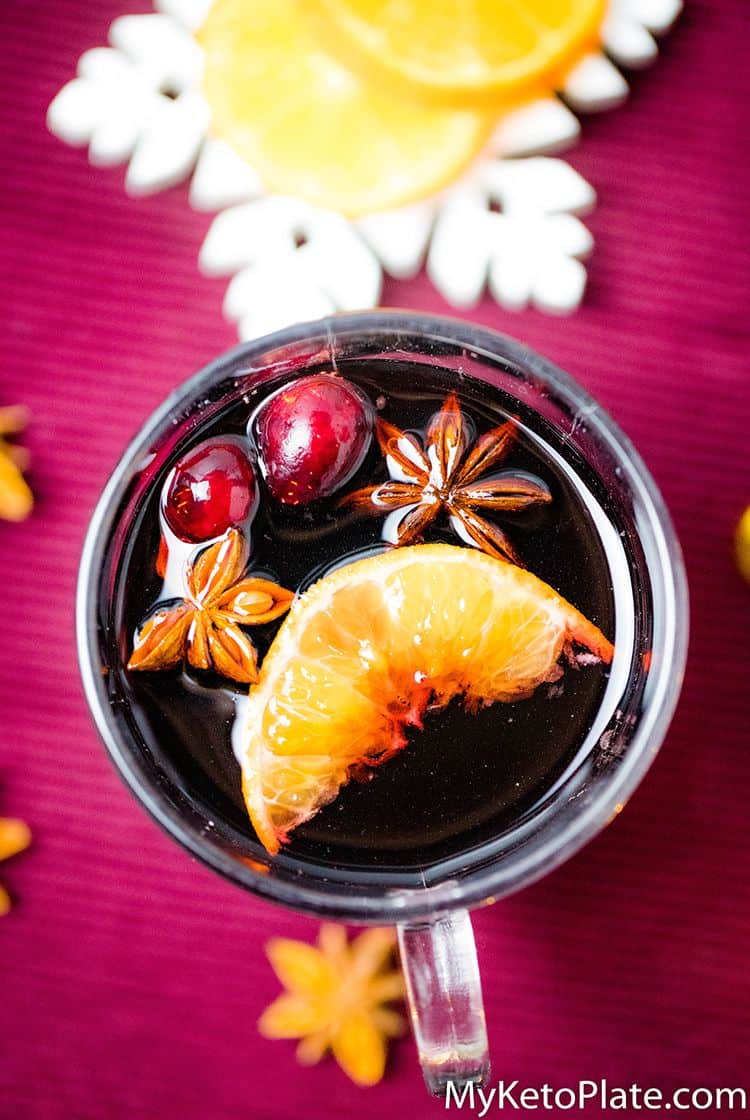
- Dry Red Wine – Use one 750ml bottle of dry red wine. Cabernet Sauvignon and Merlot are both excellent options. You don’t need an expensive bottle, but choose a wine you enjoy drinking.
- Orange – Half a medium orange, peeled and sliced into rounds, adds a lovely citrus flavor. Make sure to remove the white pith to prevent bitterness.
- Cranberries – Fresh cranberries add a subtle tartness and make the mulled wine even more festive. You can also use frozen cranberries.
- Whole Cloves – These give the wine its classic warm, aromatic flavor. Since cloves are quite strong, a little goes a long way.
- Cinnamon Sticks – Cinnamon is one of the main flavors in traditional mulled wine. I recommend using whole sticks instead of ground cinnamon because they’re easier to remove.
- Star Anise – Adds a slightly sweet, licorice-like flavor that pairs beautifully with the other Christmas spices.
- Sweetener – Use 2–4 tablespoons of a granulated monk fruit or allulose sweetener, adjusting to taste. Start with less and add more if needed. The amount assumes a product intended as a 1:1 sugar replacement.
- Brandy (Optional) – A splash of brandy adds extra warmth and depth of flavor. You can skip it if you prefer a lighter version.
What Is the Best Wine for Mulled Wine?
A dry, fruity red wine is usually the best choice for homemade mulled wine.
You don’t need to spend a lot of money on an expensive bottle, since the wine will be infused with citrus and warm spices.
Here are a few good options:
- Merlot: Smooth, fruity, and easy to drink, making it a great choice for mulled wine.
- Cabernet Sauvignon: Has a richer, bolder flavor that works well with cinnamon and cloves.
- Zinfandel: A fruity option that pairs nicely with the warm holiday spices. Choose a dry variety.
- Pinot Noir: A lighter red wine if you prefer a less intense flavor.
My personal favorites are Cabernet Sauvignon and Merlot, but any dry red wine you enjoy can work.
If you’re making low-carb mulled wine, check the wine’s sugar information when available and avoid sweet dessert wines.

How to Make Homemade Mulled Wine
Making this easy mulled wine recipe takes just a few simple steps. The most important thing is to warm the wine gently so the spices have time to infuse without bringing it to a rolling boil.
Step 1: Combine the Ingredients
Pour the dry red wine into a medium saucepan.
Add the peeled orange slices, cranberries, whole cloves, cinnamon sticks, star anise, and 2 tablespoons of sweetener.
Stir gently to combine everything.
Step 2: Warm the Wine
Place the saucepan over medium-low heat and warm the mixture gently until it’s steaming.
Don’t let the wine boil. Gentle heating helps bring out the flavors of the spices without driving off as much of the wine’s aroma and alcohol.
Step 3: Infuse the Spices
Reduce the heat to low and keep the wine warm for about 15 minutes, without allowing it to boil.
The longer the spices sit in the warm wine, the more pronounced their flavors will become.
Taste the wine toward the end and add more sweetener if needed.
Step 4: Strain the Mulled Wine
Remove the saucepan from the heat.
Use a fine-mesh strainer to remove the orange slices, cranberries, cinnamon sticks, cloves, and star anise.
If you’re adding brandy, stir it into the strained wine now.
Step 5: Serve Warm
Carefully pour the mulled wine into heatproof mugs or glasses.
For a festive touch, garnish each serving with a fresh cinnamon stick, an orange slice, or a few cranberries.
Serve warm and enjoy!
Tips for the Best Mulled Wine
- Don’t boil the wine. Keep it over gentle heat. Boiling can change the flavor and cause more alcohol and aromatic compounds to evaporate.
- Use whole spices whenever possible. Cinnamon sticks, whole cloves, and star anise are easier to strain out and give the finished drink a smoother texture.
- Start with less sweetener. Different wines have different flavor profiles, so you may need more or less sweetness depending on the bottle you choose.
- Remove the orange pith. The white part beneath the peel can add bitterness, especially when heated with the spices.
- Taste before serving. If the wine tastes too tart or intensely spiced, adjust the sweetness to balance the flavors.
- Use heatproof glasses or mugs. Regular drinking glasses may not be suitable for hot liquids.
Homemade Mulled Wine Variations
One of my favorite things about making mulled wine at home is that you can easily experiment with different flavors.
Here are a few delicious ideas:
- Orange and Cranberry Mulled Wine: Add a few extra cranberries for a more pronounced tart flavor.
- Spiced Apple Mulled Wine: Add a few thin apple slices along with the orange for an extra fruity touch.
- Ginger Mulled Wine: Add two or three thin slices of fresh ginger for a slightly spicy finish.
- Cardamom Mulled Wine: Add two lightly crushed cardamom pods for an extra layer of warm, aromatic flavor.
- Brandy Mulled Wine: Stir in ¼ cup of brandy after removing the wine from the heat for a stronger, richer drink.
- White Mulled Wine: Replace the red wine with a dry white wine for a lighter, fruitier variation.
Can You Make Mulled Wine Ahead of Time?
Yes! Homemade mulled wine is a great make-ahead drink for Christmas parties and holiday gatherings.
Prepare the recipe as directed, then strain out the fruit and spices.
Allow the wine to cool briefly, transfer it to a covered container, and refrigerate promptly.
When you’re ready to serve, pour it into a saucepan and gently reheat over low heat until warm.
Avoid boiling it, and add any fresh garnishes just before serving.
How to Store Leftover Mulled Wine
If you have leftover mulled wine, you can save it for another cozy evening.
- Refrigerator: Let the mulled wine cool briefly, strain out all the spices and fruit, and transfer it to a clean, airtight container. Refrigerate promptly and enjoy within 2–3 days.
- Reheating: Pour the desired amount into a small saucepan and warm it gently over low heat. Don’t bring it to a boil.
- Freezing: Freezing isn’t my preferred option for this recipe, since it’s easy to prepare fresh and tastes best when gently warmed.
Frequently Asked Questions
How Many Carbs Are In Wine?
The carbohydrate content of wine depends on the type, residual sugar, and serving size.
Dry red and white wines generally contain fewer carbohydrates than sweet wines or dessert wines.
For example, a standard 5-ounce serving of dry red wine may contain approximately 3–4 grams of carbohydrates, although the exact amount varies.
If you’re making low-carb mulled wine, choose a dry wine and use a sugar-free sweetener instead of regular sugar.
Remember that adding fruit, liqueurs, or other ingredients can also change the final carbohydrate count.
What Does Mulled Wine Taste Like?
Mulled wine has a rich, fruity flavor with warm notes of cinnamon, cloves, citrus, and star anise.
The spices give it that familiar Christmas aroma, while the orange and cranberries add a little sweetness and tartness.
You can make it sweeter or more intensely spiced depending on your preferences.
What’s the Difference Between Mulled Wine and Red Wine?
Regular red wine is typically served without added spices and can be enjoyed at different temperatures depending on the variety.
Mulled wine is made by gently heating wine with spices, citrus, and often a sweetener.
It’s traditionally served warm and is especially popular during winter and the Christmas season.
Can You Drink Mulled Wine Cold?
Absolutely! Although mulled wine is traditionally served warm, you can enjoy it chilled too.
Just let it cool, refrigerate it, and serve it over ice if you prefer.
The flavor will be a little different because the spices and aromas are usually more noticeable when the drink is warm.
Does the Alcohol Cook Off in Mulled Wine?
Not completely.
Heating wine can cause some alcohol to evaporate, but homemade mulled wine still contains alcohol after gentle heating.
If you want an alcohol-free alternative, use a recipe specifically made with nonalcoholic ingredients rather than assuming the alcohol disappears during cooking.
Can I Make Mulled Wine in a Slow Cooker?
Yes! A slow cooker is a convenient option when you’re preparing mulled wine for a holiday gathering.
Add the ingredients to your slow cooker and heat on low until the wine is warm and fragrant.
Once warmed, switch to the keep-warm setting if available, making sure the wine doesn’t boil.
Strain out the spices and fruit before serving to prevent the flavors from becoming too strong.
More Holiday Drink Recipes to Try
If you love cozy Christmas drinks, here are a few more recipes to enjoy during the holiday season:
- Thick and Creamy Homemade Keto Hot Chocolate – Rich, chocolatey, and perfect for cold winter evenings.
- Keto Peppermint Mocha – A delicious combination of coffee, chocolate, and refreshing peppermint flavor.
- Keto Pumpkin Spice Latte – A cozy homemade coffee drink with warm pumpkin spices.

Homemade Mulled Wine – Winter Low Carb Drink
Description
Ingredients
- 1 (750 ml) bottle dry red wine
- ½ orange peeled and sliced into rounds
- ¼ cup cranberries
- 8 whole cloves
- 3 cinnamon sticks
- 4 star anise pods
- 2-4 tablespoons sweetener
- optional add-in: 1/4 cup brandy or your favorite liqueur
Instructions
- Add the wine, orange slices, cranberries, cloves, cinnamon and sweetener into a medium pot. Stir to combine.
- Bring to a boil over medium-high heat. Do not boil the wine. Simmer on a low temperature for 15 minutes
- Use a fine-mesh strainer to remove the orange slices and spices. Taste test and adjust the sweetness if desired.
- Pour in into glasses and serve.
How do we calculate the nutrition info?
These nutrition facts listed are determined using nutrition information from the USDA Food Database. Our nutrition facts are accurate, but if you are using different products, please make your calculations. Net carb count is calculated by subtracting both fiber and sugar alcohols because they don’t raise blood sugar.